
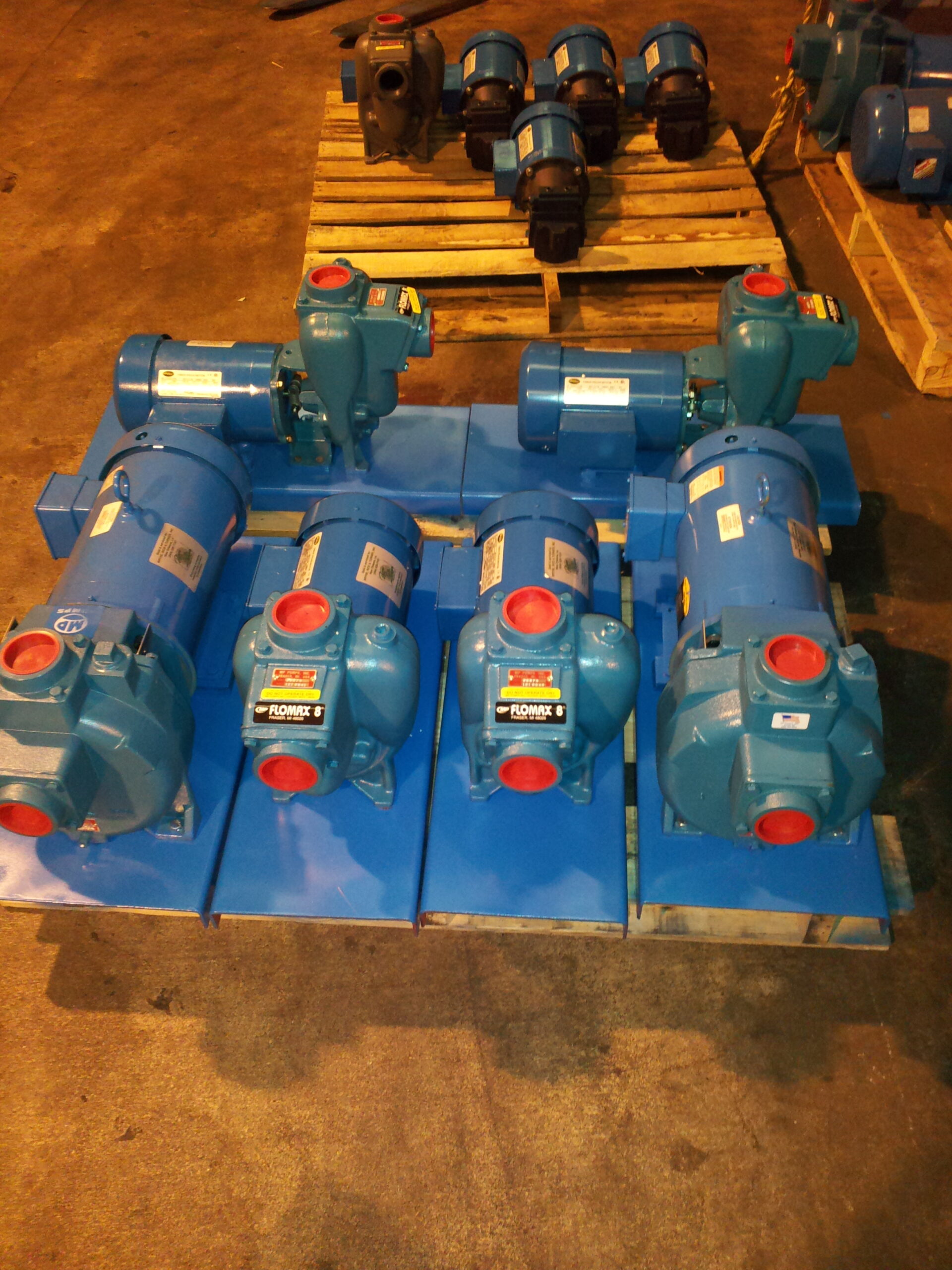
Whether you are outfitting a commercial fishing trawler or upgrading a weekend family cruiser, the quality of your marine equipment dictates the safety, efficiency, and overall enjoyment of your time on the water. The marine environment is famously unforgiving, requiring gear that can withstand constant moisture, salt, and heavy vibrations. Among the most critical components of any successful voyage are marine water pumps—the vital circulatory system of your vessel.
BRT Marine takes pride in offering top-tier solutions designed to keep you afloat and moving forward. However, outfitting a boat goes far beyond a single component. Let us dive into the world of premium marine fluid management, alongside the essential systems and maintenance routines every responsible boater should know.
The Heart of Your Vessel: Marine Water Pumps by BRT Marine
From circulating engine coolant to keeping your hull dry, reliable water pumps are non-negotiable. BRT Marine offers a comprehensive range of these devices engineered for durability in harsh aquatic conditions.
Knowing how to choose the right bilge pump is one of the most critical decisions a boat owner can make. As a rule of thumb, you should always opt for the highest gallon-per-hour (GPH) rating that fits your bilge space and electrical capacity.
- Primary Pumps: Install an automatic bilge pump at the lowest point of your hull.
- Secondary Pumps: Mount a higher-capacity backup pump slightly higher up to activate only if the primary fails or is overwhelmed.
Protecting Your Investment: Engine and Pump Maintenance
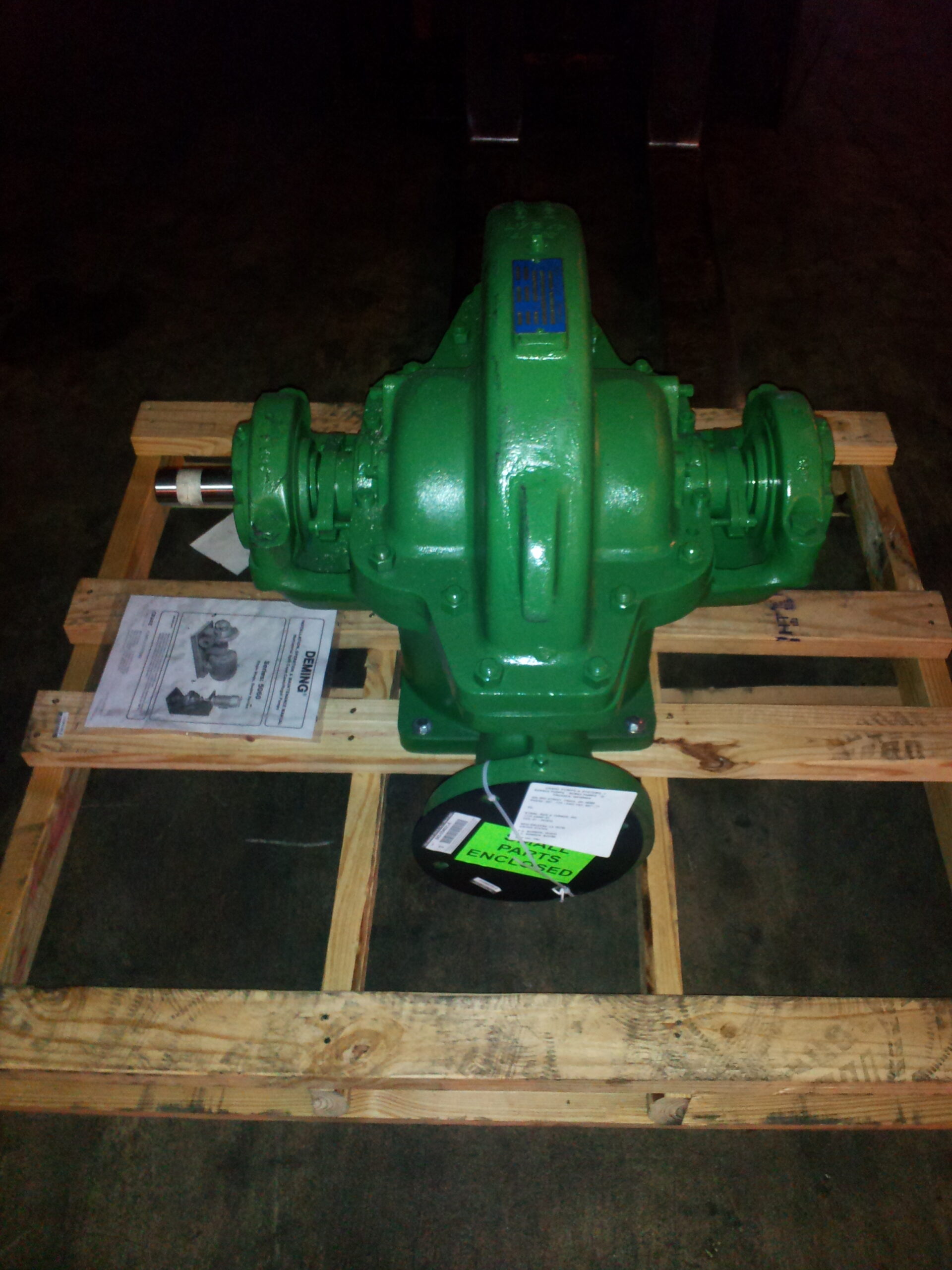
Marine pumps often work in tandem with high-performance marine diesel engines, which require a massive amount of raw water for cooling. To keep both your engines and pumps running smoothly, a proactive approach is required.
Developing a routine outboard motor maintenance checklist (or an inboard diesel schedule) is your first line of defense. This checklist should always include inspecting your water pump impellers, checking oil levels, and replacing fuel filters.
Furthermore, preventing saltwater corrosion on boat parts is an ongoing battle. Saltwater can quickly seize up metal components. Always perform a thorough freshwater flush of your cooling systems after a day in the ocean. Make use of marine-grade dielectric grease on electrical connections and regularly replace sacrificial zinc anodes before they are completely depleted.
As the boating season comes to a close, understanding how to winterize a boat engine properly ensures your engine blocks and internal water pumps do not crack from freezing temperatures. Always drain residual water and run non-toxic marine antifreeze through the raw water system until it exits the exhaust.
Navigating and Controlling Your Vessel
Once your propulsion and fluid management systems are secured with quality BRT Marine parts, your attention must turn to handling and navigation.
Steering Systems
The physical control of your boat relies heavily on your steering setup. Many boaters find themselves debating the merits of hydraulic vs mechanical steering systems. For smaller vessels with lower horsepower, mechanical cable steering is often cost-effective and perfectly adequate. However, for larger boats or those equipped with high-torque engines, hydraulic steering offers effortless, zero-feedback control, making long passages significantly less fatiguing.
Anchoring Systems
When you reach your destination, keeping your boat exactly where you want it requires specialized gear. You will need to select the right components for heavy duty boat anchoring systems, ensuring your chain, rode, and anchor type match the seabed of your local waters.
Hauling that heavy gear back up brings us to the choice between manual vs electric anchor windlasses. While manual windlasses are highly reliable and require no electrical draw, an electric windlass will save your back and allow you to retrieve your anchor quickly in shifting weather conditions—a worthwhile investment for mid-to-large-sized cruisers.
Beyond Fluid Dynamics: Essential Marine Electronics
For those just starting their maritime journey, identifying the essential boat electronics for beginners can feel overwhelming. Start with the systems that keep you safe and aware of your surroundings.
- Navigation: Deciding between a chartplotter vs handheld gps for sailing often comes down to the size of your vessel. A mounted chartplotter offers a large, easily readable display with integrated radar and weather overlays. A handheld GPS, however, is an indispensable, battery-operated backup that can be taken into a life raft if the worst happens.
- Depth and Topography: To avoid running aground, marine sonar and depth sounder technology is invaluable. Modern sonar not only tells you the depth but paints a vivid picture of the seabed structure and schooling fish beneath your hull.
- Communication: A standalone VHF radio is great, but integrating vhf radio and ais (Automatic Identification System) is a game-changer. This integration allows you to see the exact course, speed, and name of large commercial vessels on your screen, and directly hail them by name to coordinate safe passing.
Prioritizing Safety at Sea
Even with top-of-the-line pumps, engines, and electronics, the unpredictable nature of the ocean means you must always be prepared for emergencies. Knowing exactly what safety gear is required on a vessel by maritime law is your baseline. This includes appropriately sized personal flotation devices (PFDs) for every passenger, visual distress signals (flares), sound-producing devices, and up-to-date fire extinguishers.
However, true safety goes beyond minimum legal requirements. Commercial vessels are mandated to carry extensive life-saving appliances on ships, such as self-deploying life rafts and survival suits. Recreational boaters heading offshore should strongly consider adopting these commercial standards.
Perhaps the most crucial piece of modern safety equipment is a rescue beacon. Emergency position indicating radio beacons (EPIRBs) are absolute lifesavers. If your vessel takes on water faster than your bilge pumps can handle, an EPIRB will transmit your precise GPS coordinates directly to global search and rescue satellite networks, taking the “search” out of search-and-rescue.
Conclusion
Outfitting your boat is a holistic process. It begins in the bilge with heavy-duty marine water pumps from trusted providers like BRT Marine, extends to the diligent maintenance of your engines, and culminates in a carefully curated suite of navigation and safety gear. By investing in high-quality marine equipment and taking the time to understand the nuances of your vessel’s systems, you are not just ensuring a smoother ride—you are guaranteeing peace of mind for you and everyone on board.